
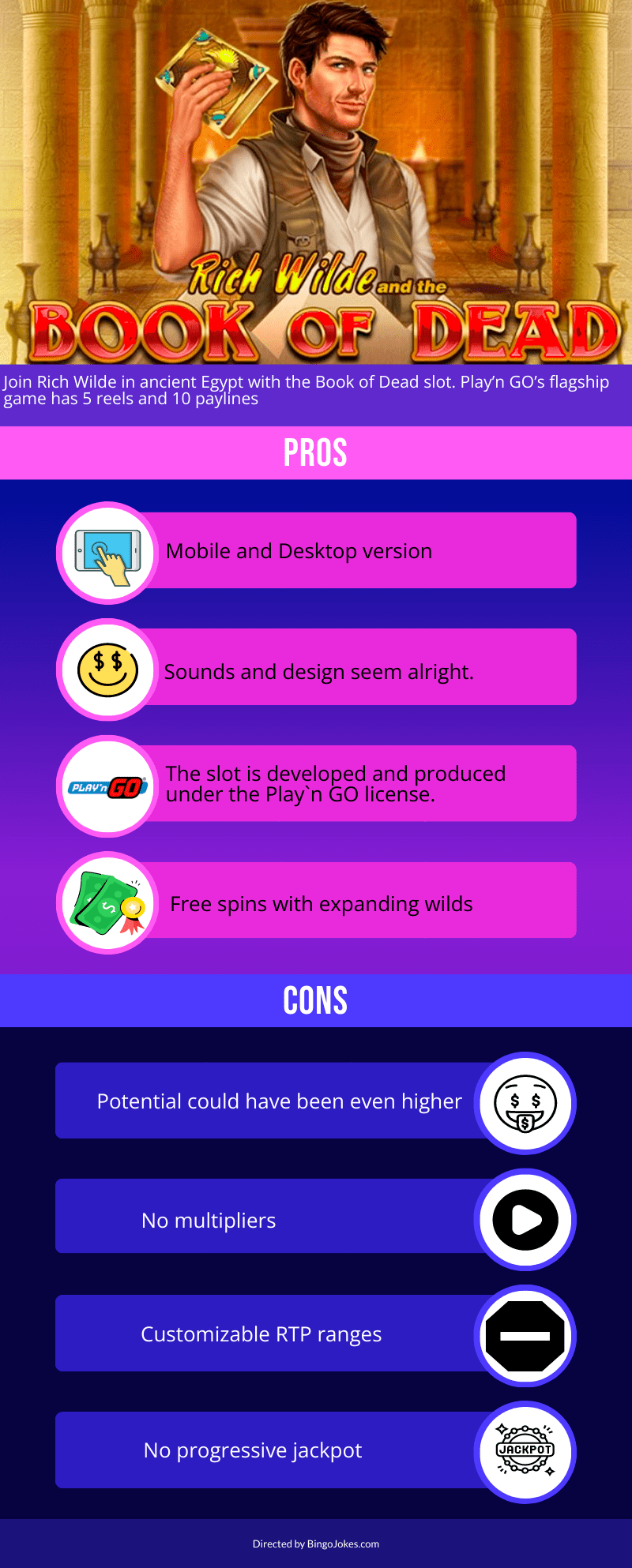
If you are a fan of online casinos, you may have come across the iconic slot game, Book of Dead. It has captivated a multitude of players with its Ancient Egyptian theme and the thrilling gameplay it offers. However, recently, there has been a noticeable shift in player interest, leading many to wonder: why are players stepping back from Book of Dead? In this article, we will delve into the reasons behind this trend and explore the evolving landscape of online slots. Presented alongside this analysis is a comprehensive resource for further reading: Book of Dead Slots Not on GamStop https://hnwis.scot/.
The Allure of Book of Dead
Launched in 2014 by Play’n GO, Book of Dead took the online gaming world by storm. Its immersive graphics, enticing storyline, and enjoyable gameplay mechanics captured the imagination of players. The game features Rich Wilde, a daring adventurer, who embarks on a quest to discover ancient treasures within the tombs of Egyptian pharaohs. The allure of Book of Dead lies not only in its stunning design but also in the simplicity of its gameplay, making it accessible for both new and experienced players alike.
Common Complaints and Decline in Popularity
Despite its early success, Book of Dead has faced growing criticism in recent years, which has contributed to its decline in popularity. Let’s explore some of the main complaints:
1. High Volatility
One of the primary concerns surrounding Book of Dead is its high volatility. While high volatility slots can lead to significant wins, they can also result in extended losing streaks. Many players are becoming increasingly wary of this, preferring games that offer a more balanced approach to payouts.
2. Lack of Innovation
Another major factor is the lack of innovation in the game’s design and features. While Book of Dead was groundbreaking at its time of release, the landscape of online slots has evolved significantly. New titles frequently come with enhanced graphics, exciting features like cascading reels, expanding wilds, and bonus rounds that keep players engaged. As a result, players may find themselves less inclined to return to a game that seems outdated compared to its newer counterparts.
3. Saturation of the Market
With the online gaming market becoming increasingly saturated, players now have more options than ever. The emergence of hundreds of new slot games, each boasting unique themes and gameplay elements, has direct implications for the popularity of established titles like Book of Dead. Players are constantly on the lookout for the next big thing, making it challenging for older games to maintain their player base.
What Do Players Want? Modern Gaming Trends
As the preferences of players shift, it’s essential to recognize what modern gamers are looking for. Here are a few key trends:
1. Engaging Storylines
Players are gravitating towards slot games that offer rich narratives and immersive storylines. Games that provide a deeper gaming experience, with character development and evolving plots, tend to draw in more loyal players. The simplicity of Book of Dead’s storyline may not be enough to keep today’s audience engaged.
2. Enhanced Graphics and Sound Effects
Today’s players expect high-definition graphics and captivating soundscapes. The visual and auditory elements of a slot game play a significant role in attracting and retaining players. While Book of Dead was impressive in its time, many online casinos now offer games with stunning 3D animations and sound effects that create a true casino atmosphere.
3. Innovative Features
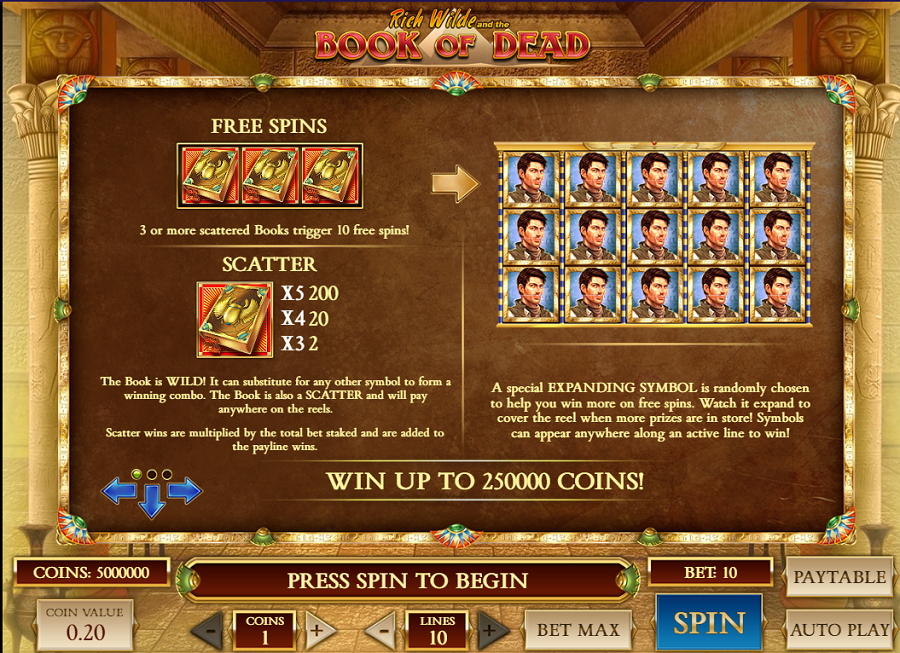
As mentioned earlier, players are increasingly looking for innovative features in their slot games. Dynamic gameplay elements such as sticky wilds, pick-me bonus rounds, and multiplier mechanics can keep gameplay exciting. Many newer slot machines have adopted these features, making traditional games like Book of Dead feel static in comparison.
Comparing Book of Dead with Its Rivals
To better understand why Book of Dead is losing ground, it’s useful to compare it with other successful slot games. Titles like «Gonzo’s Quest» and «Dead or Alive 2» have set a benchmark in the industry. These games incorporate modern features, stunning graphics, and immersive gameplay that appeal to contemporary players.
The Case of Gonzo’s Quest
Gonzo’s Quest by NetEnt is particularly noteworthy due to its innovative Avalanche feature, where symbols fall into place instead of spinning. This creates opportunities for consecutive wins and enhances player engagement. The game is also known for its vibrant graphics and compelling story, making it a fierce competitor in the realm of online slots.
Dead or Alive 2: The Allure of High Stakes
Another game that has successfully captured player interest is Dead or Alive 2. This sequel comes with updated features, increased win potential, and a nostalgic yet innovative approach. Its theme resonates with players who appreciate Wild West aesthetics and offers multiple bonus rounds, catering to those seeking excitement in their gameplay.
The Road Ahead for Book of Dead
Despite the challenges faced by Book of Dead, it is important to recognize that nostalgia still plays a role in keeping the game relevant among some players. Furthermore, Play’n GO has a track record of updating and revamping their games. There’s potential for a revamped version of Book of Dead that could attract both returning players and newcomers to the game.
Conclusion
In summary, the decline of Book of Dead’s popularity can be attributed to a combination of factors, including high volatility, lack of innovation, and the saturation of the market with new games. Players are evolving, seeking richer experiences with engaging storylines, modern graphics, and innovative features. For Book of Dead to reclaim its place in the hearts of players, it may need to undergo significant updates or a fresh reimagining that aligns with contemporary gaming trends.
As players continue to explore the online slots landscape, the hope is that iconic games like Book of Dead can adapt and grow, ensuring they remain an important part of gaming history while meeting the expectations of future generations.